

The transformative potential of 5G extends far beyond faster internet speeds and improved mobile connectivity. The technology is poised to drive innovation across various industries, enhance consumer experiences, and enable the development of new applications and services that were previously unimaginable. One of the most significant impacts of 5G will be felt in the realm of the Internet of Things (IoT). With its ability to support a massive number of connected devices simultaneously, 5G will facilitate the growth of IoT ecosystems in smart cities, homes, and industries. In smart cities, 5G-enabled sensors and devices can monitor and manage infrastructure, traffic, and environmental conditions in real-time, leading to more efficient resource utilization and improved quality of life for residents. In smart homes, 5G will enable seamless communication between appliances, security systems, and entertainment devices, creating more convenient and responsive living environments. The automotive industry is another sector that stands to benefit immensely from 5G technology. The low latency and high reliability of 5G networks are essential for the development and deployment of autonomous vehicles. These vehicles rely on real-time data from sensors, cameras, and other sources to navigate safely and efficiently. With 5G, autonomous vehicles can communicate with each other and with traffic infrastructure, reducing the risk of accidents and improving traffic flow. Additionally, 5G can support advanced driver assistance systems (ADAS) that enhance safety and convenience for human drivers. Healthcare is another field where 5G is set to make a significant impact. The high speeds and low latency of 5G networks enable telemedicine applications that require real-time video consultations and remote monitoring of patients. Wearable devices equipped with 5G connectivity can continuously transmit health data to healthcare providers, allowing for timely interventions and personalized care. Moreover, 5G can support remote surgeries performed by robotic systems controlled by surgeons from different locations, expanding access to specialized medical procedures. In the realm of entertainment and media, 5G will enable new and immersive experiences for consumers. Augmented reality (AR) and virtual reality (VR) applications, which require high bandwidth and low latency, will become more accessible and mainstream with 5G. These technologies can transform gaming, education, and training by providing interactive and immersive environments. Additionally, 5G will enhance the quality of live streaming and enable new forms of content consumption, such as 360-degree videos and holographic displays. Conclusion The evolution of 5G technology represents a paradigm shift in connectivity, offering unprecedented speed, capacity, and reliability. By leveraging advanced technologies such as millimeter waves, massive MIMO, and network slicing, 5G addresses the growing demands for data and connectivity in a digital age. The impact of 5G will be felt across various industries, driving innovation and enabling new applications and services that enhance consumer experiences and improve quality of life. As 5G networks continue to roll out globally, the potential for transformative change becomes increasingly apparent. From smart cities and autonomous vehicles to telemedicine and immersive entertainment, the possibilities enabled by 5G are vast and far-reaching. The evolution of 5G is not just about faster internet speeds; it is about creating a connected world where technology enhances every aspect of our lives, paving the way for a more efficient, sustainable, and interconnected future.

Exploring the World of Cloud Computing and school bus routing software
school bus routing software as a Service (SaaS) solutions have revolutionized the way businesses access, manage, and utilize software applications and computing resources. This exploration delves into the diverse world of cloud computing and SaaS solutions, highlighting their impact, benefits, and future trends in shaping the digital landscape for businesses of all sizes. Cloud Computing Overview: Cloud computing refers to the delivery of computing services, including storage, processing power, networking, and software applications, over the internet. Cloud computing models, such as Infrastructure as a Service (IaaS), Platform as a Service (PaaS), and Software as a Service (SaaS), offer scalability, flexibility, and cost-efficiency for businesses seeking to leverage digital technologies without significant infrastructure investments. SaaS Solutions Overview: Software as a Service (SaaS) is a cloud computing model that delivers software applications over the internet, accessible from any device with an internet connection. SaaS solutions offer businesses access to a wide range of software applications, from productivity tools to enterprise resource planning (ERP) systems, without the need for installation, maintenance, or updates. The impact of cloud computing and SaaS solutions extends beyond these points, influencing various aspects of business operations, digital transformation, and innovation: Challenges and Considerations: While cloud computing and SaaS solutions offer numerous benefits, businesses must navigate challenges and considerations to maximize their effectiveness: Data Privacy and Governance: Businesses must address data privacy concerns, data governance policies, and compliance requirements when adopting cloud computing and SaaS solutions. Data encryption, access controls, and data residency regulations ensure data protection, privacy, and regulatory compliance in cloud environments. Integration and Interoperability: Integrating cloud-based SaaS solutions with existing IT infrastructure, legacy systems, and third-party applications requires careful planning, API integration, and data migration strategies. Ensuring seamless interoperability, data flow, and system integration across platforms enhance productivity, data accessibility, and business continuity. In conclusion, cloud computing and SaaS solutions are driving digital innovation, agility, and efficiency for businesses worldwide. Embracing cloud technologies, leveraging SaaS applications, and addressing challenges through strategic planning and collaboration enable businesses to unlock the full potential of cloud computing for scalable, cost-effective, and future-ready digital transformations.

The Impact of AI on Customer Service and Support
Artificial Intelligence (AI) has revolutionized customer service and support, reshaping how businesses interact with customers and enhancing overall service efficiency and effectiveness. From chatbots to predictive analytics, AI technologies have been integrated into various facets of customer service operations, delivering personalized experiences and improving customer satisfaction levels. One of the most notable impacts of AI in customer service is the proliferation of chatbots and virtual assistants. These AI-powered tools enable businesses to provide instant, round-the-clock support to customers through websites, messaging apps, and even voice interfaces. Chatbots use natural language processing (NLP) algorithms to understand customer inquiries and provide relevant responses or solutions in real-time. By automating routine queries and tasks, chatbots free up human agents to focus on more complex issues, thereby improving overall service efficiency and reducing wait times for customers. Moreover, AI enhances the personalization of customer interactions. Machine learning algorithms analyze vast amounts of customer data, including purchase history, preferences, and browsing behavior, to generate personalized recommendations and responses. This level of customization not only improves customer satisfaction by offering tailored solutions but also increases sales conversion rates by suggesting relevant products or services based on individual needs and behaviors. In addition to real-time support and personalization, AI-driven analytics play a crucial role in understanding customer sentiments and behaviors. Sentiment analysis algorithms can analyze customer feedback from various channels, such as social media, emails, and surveys, to gauge customer satisfaction levels and identify potential issues or trends. This proactive approach enables businesses to address customer concerns promptly, mitigate negative feedback, and enhance overall service quality. Furthermore, AI facilitates seamless omnichannel experiences by integrating customer service across multiple platforms and devices. Unified platforms powered by AI can track customer interactions across channels, such as phone calls, emails, live chats, and social media, ensuring continuity and consistency in service delivery. This omnichannel approach allows customers to switch between channels without losing context, providing a cohesive and streamlined experience regardless of the communication medium used. Despite these advancements, the integration of AI in customer service also presents challenges and considerations. One concern is the balance between automation and human touch. While AI enhances efficiency, empathy, and emotional intelligence are essential in customer interactions that require understanding and compassion. Businesses must strike a balance by deploying AI for routine tasks while ensuring that human agents are readily available for complex issues or situations that require a personal touch. Additionally, ethical considerations regarding data privacy and security are paramount. AI systems rely on vast amounts of customer data to function effectively, raising concerns about data protection and compliance with regulations such as GDPR and CCPA. Businesses must implement robust security measures and transparent data policies to build trust with customers and safeguard their sensitive information. In conclusion, AI has significantly transformed customer service and support by enabling real-time interactions through chatbots, personalizing customer experiences with predictive analytics, and optimizing service delivery across multiple channels. By leveraging AI technologies, businesses can enhance operational efficiency, improve customer satisfaction levels, and gain valuable insights into customer behaviors and preferences. However, it is essential to navigate ethical and practical challenges responsibly to ensure that AI-driven customer service initiatives deliver positive outcomes for both businesses and customers alike.

The Future of the Internet of Medical Things (IoMT)
The Internet of Medical Things (IoMT) represents a transformative paradigm in healthcare, integrating medical devices, sensors, and digital technologies to enhance patient care, improve clinical outcomes, and optimize healthcare delivery. This exploration delves into the key trends, challenges, and opportunities shaping the future of IoMT and its impact on healthcare innovation and patient-centric care. The IoMT landscape is evolving rapidly, driven by technological advancements, data-driven insights, and the convergence of healthcare and digital ecosystems. Key trends shaping the future of IoMT include: The future of IoMT holds immense potential for revolutionizing healthcare delivery, transforming patient experiences, and driving healthcare innovation across various domains: Challenges and Considerations: Despite its transformative potential, the future of IoMT faces challenges and considerations that require attention and strategic planning: The future of IoMT holds promise for transforming healthcare delivery, improving patient outcomes, and driving innovation in healthcare systems. Embracing technological advancements, addressing challenges, and fostering collaborative partnerships will unlock the full potential of IoMT, shaping a more connected, efficient, and patient-centric healthcare ecosystem.
Exploring the Potential of Smart Fabrics and E-Textiles
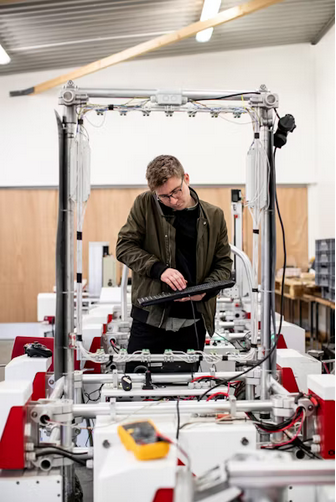
The convergence of technology and textiles has led to the emergence of smart fabrics and e-textiles, revolutionizing the fashion industry and expanding the horizons of wearable technology. These innovative textiles integrate electronic components, sensors, and connectivity features, offering a wide range of applications that go beyond traditional clothing. From health monitoring to interactive fashion, smart fabrics and e-textiles are unlocking new possibilities and transforming the way we interact with clothing and accessories. The Evolution of Smart Fabrics and E-Textiles Smart fabrics and e-textiles represent a fusion of textile engineering, electronics, and design, creating functional and interactive textiles with embedded technology. The development of conductive fibers, flexible circuits, and microelectronics has paved the way for integrating sensors, actuators, and communication modules directly into fabrics. This integration enables garments and accessories to collect data, respond to stimuli, and communicate with other devices, opening up a myriad of applications. Applications and Potential of Smart Fabrics and E-Textiles Challenges and Future Trends While smart fabrics and e-textiles offer immense potential, several challenges must be addressed to fully realize their benefits: Looking ahead, the future of smart fabrics and e-textiles holds exciting possibilities: In conclusion, smart fabrics and e-textiles represent a convergence of technology and textiles that is transforming industries and unlocking new possibilities for innovation. From healthcare and sports to fashion and environmental monitoring, the potential applications of smart textiles are vast and diverse. Overcoming challenges related to durability, integration, privacy, and cost will pave the way for a future where wearable technology seamlessly integrates into our daily lives, enhancing functionality, comfort, and style.

The Evolution of E-Learning: Digital Education Trends
The evolution of e-learning has transformed the landscape of education, offering innovative digital solutions that enhance learning experiences, promote accessibility, and adapt to diverse learning styles. From traditional online courses to immersive virtual classrooms, the journey of e-learning has been marked by technological advancements, pedagogical innovations, and a shift towards personalized and interactive learning environments. The Rise of E-Learning Platforms Digital Education Trends and Innovations The Impact of Digital Education Trends Future Directions in E-Learning The future of e-learning is shaped by emerging technologies, pedagogical approaches, and learner-centric strategies that prioritize engagement, collaboration, and outcomes: Conclusion The evolution of e-learning has been a journey of innovation, empowerment, and transformation in the field of education. Digital education trends, from online learning platforms to adaptive technologies and immersive experiences, have reshaped how we teach, learn, and collaborate in the digital age. As we look towards the future, the convergence of emerging technologies, pedagogical best practices, and learner-centered approaches will continue to drive the evolution of e-learning, making education more accessible, engaging, and impactful for learners worldwide.

The Future of Personalized Medicine: Innovations and Trends
The future of personalized medicine represents a paradigm shift in healthcare, leveraging advancements in genomics, data analytics, and digital technologies to tailor medical treatments and interventions to individual patients. This exploration delves into the key innovations, trends, and implications of personalized medicine in improving patient outcomes, enhancing precision healthcare, and shaping the future of medical practice. Innovations in Personalized Medicine Personalized medicine is driven by innovative technologies and approaches that revolutionize how healthcare is delivered and personalized for each patient: Trends Shaping Personalized Medicine Several key trends are shaping the future landscape of personalized medicine and transforming healthcare delivery: Implications for Healthcare The adoption of personalized medicine has profound implications for healthcare stakeholders, patients, and the healthcare ecosystem: Challenges and Future Directions Despite the potential benefits, personalized medicine faces challenges related to data privacy, regulatory frameworks, healthcare disparities, and implementation barriers. Overcoming these challenges requires interdisciplinary collaboration, ethical considerations, and continuous innovation in healthcare delivery. Looking ahead, the future of personalized medicine holds promise for advancing precision healthcare, accelerating drug discovery and development, and empowering patients with personalized treatment options. Collaborative efforts between healthcare providers, researchers, policymakers, and industry stakeholders will drive the integration of personalized medicine into mainstream clinical practice, leading to improved patient care, enhanced healthcare outcomes, and a transformative impact on the healthcare landscape.

The Role of AI in Renewable Energy Technologies
Artificial intelligence (AI) is revolutionizing the renewable energy sector, driving advancements in energy efficiency, grid management, and renewable resource optimization. The integration of AI algorithms, machine learning models, and predictive analytics in renewable energy technologies plays a pivotal role in accelerating the transition to sustainable energy sources and addressing global energy challenges. The role of AI in renewable energy extends beyond specific applications, influencing the broader energy landscape and driving innovation in sustainable energy solutions: AI-driven energy analytics, predictive maintenance, and asset management optimize renewable energy infrastructure, improve equipment performance, and reduce downtime, enhancing overall system reliability and operational efficiency. AI-powered energy efficiency solutions, building management systems, and IoT devices enable smart energy management, optimize energy consumption, and reduce carbon footprints in residential, commercial, and industrial settings. AI-enabled energy market platforms, blockchain technologies, and decentralized energy systems facilitate peer-to-peer energy trading, renewable energy certificates, and virtual power plants, empowering consumers, businesses, and communities to participate in renewable energy markets and support clean energy transitions. Challenges and Considerations: Despite its transformative potential, the integration of AI in renewable energy technologies presents challenges and considerations that require attention and strategic planning: Data Quality and Accessibility: AI algorithms rely on high-quality data inputs, historical records, and real-time sensor data for accurate predictions and optimal decision-making. Ensuring data accuracy, accessibility, and transparency is crucial to maximize the effectiveness of AI-driven energy solutions and minimize data biases. Ethical and Regulatory Frameworks: AI applications in renewable energy raise ethical considerations related to data privacy, algorithmic biases, and responsible use of AI technologies. Developing ethical frameworks, regulatory guidelines, and governance mechanisms is essential to address ethical concerns, ensure algorithmic transparency, and uphold societal values in AI-driven energy systems. In conclusion, the role of AI in renewable energy technologies is transformative, driving innovation, efficiency, and sustainability in the global energy sector. Embracing AI-powered solutions, fostering collaborative partnerships, and addressing challenges through responsible AI deployment will accelerate the transition to clean, renewable energy sources, create new opportunities for energy innovation, and contribute to a more sustainable and resilient energy future.

The Impact of Robotics on Healthcare
Robotics has emerged as a transformative force in healthcare, revolutionizing medical procedures, patient care, and healthcare delivery. The integration of robotic technologies in healthcare settings has led to significant advancements in surgical precision, diagnostic capabilities, and therapeutic interventions, shaping the future of healthcare delivery and patient outcomes. The impact of robotics on healthcare extends beyond specific applications, influencing various aspects of healthcare delivery, patient care, and healthcare systems: The adoption of robotics in healthcare also presents challenges and considerations that require attention and strategic planning: In conclusion, the impact of robotics on healthcare is profound and multifaceted, transforming surgical practices, rehabilitation therapies, healthcare delivery models, and patient experiences. Embracing robotic innovations, addressing challenges, and fostering collaboration between technology developers, healthcare providers, regulators, and patients will drive the continued advancement and integration of robotics in shaping the future of healthcare

The Future of Renewable Energy Storage: Technological Innovations
The future of renewable energy storage represents a critical aspect of transitioning towards a sustainable and carbon-neutral energy landscape. Technological innovations in energy storage are pivotal in addressing intermittency challenges, optimizing renewable energy integration, and ensuring reliable and resilient power supply. This exploration delves into the key advancements, trends, and implications of renewable energy storage in shaping the future of clean energy. Technological Innovations in Energy Storage Renewable energy storage technologies continue to evolve, driven by innovation and research breakthroughs that enhance efficiency, scalability, and cost-effectiveness: Trends Shaping Renewable Energy Storage Several key trends are shaping the future landscape of renewable energy storage and driving innovation in the sector: Implications for Clean Energy Transition The widespread adoption of renewable energy storage technologies has significant implications for accelerating the clean energy transition and achieving sustainability goals: Challenges and Future Directions Despite the progress, renewable energy storage faces challenges related to cost competitiveness, storage capacity, materials sustainability, and grid integration complexities. Overcoming these challenges requires continued research, investment, and collaboration across academia, industry, and policymakers. Looking ahead, the future of renewable energy storage holds promise for unlocking new opportunities in energy flexibility, decarbonization, and sustainable development. Innovations in storage technologies, coupled with supportive policies and market incentives, will drive the transition towards a cleaner, more resilient energy system that harnesses the full potential of renewable resources for a greener and brighter future.