

It is a fascinating journey to discover your hidden traits. These traits can be those aspects of your personality that you didn’t know anything about before. These aspects help you to shape your actions, decisions, and interactions with others. When you discover these traits, they will help you to understand yourself better and improve various aspects of your life. In this article, we have brought you efficient tips to uncover and discover your hidden superpowers. If you’re ready to discover to discover your hidden traits, then let’s get started! Be Self-Aware You have to be self-aware. Self-awareness involves a conscious effort to notice and understand your thoughts, emotions, and behaviors. By this step, you can pay attention to how you react to different situations. You will be able to identify patterns in your behavior. You should also keep a journal. It can be particularly helpful. When you write down your thoughts and feelings, then you can properly observe recurring themes and gain insights into your inner world. Explore Your Passions Exploring your passion and interests is also important to discover your hidden traits. You should know what you love to do in your free time, the topics you are drawn to, and the hobbies you enjoy. These things can significantly reveal much about your personality. For example, if you like painting, then it means that you have a creative trait. If you love puzzles or strategy games, then it means you have strong problem-solving skills. You have to try new activities to explore your interests further. Seek Feedback Others can also sometimes see the traits that we might ignore. You should seek feedback from trusted friends, family members, or colleagues. It can provide you with valuable insights. You should ask them to describe your strengths and areas where they think you excel. Their observations about you can significantly show you those traits you never thought you had. Be open to constructive feedback as it can be beneficial for your improvement, growth, and development. Assess Your Personality Various personality assessments are designed to uncover various aspects of your personality. Scientific assessments are available online such as the Myers-Briggs Type Indicator (MBTI) or the Big Five Personality Traits. They can help to provide detailed insights into your personality. These tests will help you to understand your strengths, weaknesses, and behavioral tendencies. You can reach your deep point with the help of these tests. Alternative Methods You should also be open to alternative methods to discover your hidden traits. These methods can include a psychic medium. It is a unique approach to discovering hidden traits. Psychic mediums can connect with the spiritual realm and provide insights that are beyond the ordinary. They also offer perspectives on your personality and life path that you might not get through ordinary means. Conclusion: In this article, we discussed how you can discover your magic personality traits. These traits can lead to a richer and more fulfilling life. You should be self-aware, explore your interests, seek feedback, utilize personality assessments, and even consult a psychic medium. By these steps, you can gain deeper insights into your personality. Embrace this journey with an open heart and mind. Undoubtedly, It can be rewarding to uncover your hidden traits.

Understanding German Citizenship by Descent: A Comprehensive Guide
Acquiring German citizenship by descent is a significant opportunity for individuals with German ancestry to reclaim their heritage and enjoy the benefits of European Union citizenship. This pathway is often pursued by those whose parents, grandparents, or even great-grandparents were German citizens. Understanding the eligibility criteria, the application process, and the benefits can help you navigate this route to citizenship. Eligibility Criteria for German Citizenship by Descent Direct Lineage The primary criterion for obtaining German citizenship by descent is proving direct lineage from a German citizen. This typically applies to individuals with at least one German parent, grandparent, or great-grandparent. The German Nationality Act (StAG) stipulates that a child born to a German parent automatically acquires German citizenship at birth, irrespective of the place of birth. Documentation Requirements To establish eligibility, applicants must provide a range of documents that verify their ancestry. These documents include birth certificates, marriage certificates, passports, and proof of the ancestor’s German citizenship. Collecting and authenticating these documents can be a meticulous process, often requiring translation and certification. Special Considerations Post-1913 Births German nationality laws have evolved over time, influencing the eligibility of descendants. For instance, children born after January 1, 1914, can acquire citizenship from either parent, whereas before this date, citizenship could typically only be passed down through the father. Additionally, individuals born to a German mother and a foreign father between April 1, 1953, and December 31, 1974, may also be eligible due to legal changes during that period. Nazi Era Persecutions Descendants of German Jews and other victims of Nazi persecution have specific provisions under Article 116 (2) of the Basic Law. Those who were stripped of their German citizenship between January 30, 1933, and May 8, 1945, and their descendants, can reclaim citizenship. This process acknowledges the historical injustices and offers restitution to affected families. The Application Process Benefits of German Citizenship by Descent European Union Citizenship As a German citizen, you automatically become a citizen of the European Union, granting you the right to live, work, and study in any EU member state. This mobility can significantly enhance personal and professional opportunities. Social and Economic Benefits German citizens have access to high-quality healthcare, education, and social security systems. Germany is known for its strong economy, excellent public services, and a high standard of living. Conclusion German citizenship by descent is a valuable pathway for those with German ancestry to reconnect with their roots and enjoy the privileges of EU citizenship. By understanding the eligibility requirements, navigating the application process, and recognizing the benefits, applicants can successfully reclaim their German heritage. Whether motivated by personal, professional, or historical reasons, obtaining German citizenship by descent offers a meaningful link to a rich cultural legacy.

The Future of Renewable Energy: Trends and Developments
The future of renewable energy is poised for significant growth and innovation as societies worldwide seek sustainable alternatives to fossil fuels. Renewable energy sources such as solar, wind, hydroelectric, geothermal, and biomass are increasingly becoming integral to global energy portfolios, driven by technological advancements, policy support, and environmental imperatives. Solar energy stands out as a frontrunner in the renewable energy revolution. Advances in photovoltaic (PV) technology have led to more efficient solar panels capable of capturing and converting sunlight into electricity with greater effectiveness and affordability. Additionally, innovations in solar energy storage systems, such as batteries and grid-scale storage solutions, address the intermittency of solar power, making it a more reliable source of energy even during periods of low sunlight. The scalability and versatility of solar energy installations—from small residential rooftops to vast utility-scale solar farms—underscore its potential to meet a significant portion of global electricity demand sustainably. Wind energy also plays a pivotal role in the future of renewable energy. Technological advancements in wind turbine design and manufacturing have significantly increased their efficiency and output. Modern wind turbines are taller and equipped with larger rotors, capturing stronger and more consistent wind currents at higher altitudes. Offshore wind farms, situated in coastal waters where wind speeds are typically higher and more consistent, represent a growing segment of the wind energy sector. These offshore installations benefit from expansive space and proximity to densely populated coastal regions, facilitating efficient transmission of electricity to urban centers. Hydropower remains a cornerstone of renewable energy generation, particularly in regions with abundant water resources. While traditional hydroelectric dams have been in use for decades, new developments focus on optimizing their efficiency and minimizing environmental impact. Innovations in turbine technology and dam design aim to enhance energy production while mitigating disruptions to aquatic ecosystems and local communities. Furthermore, pumped-storage hydropower facilities serve as critical energy storage systems, storing excess electricity during periods of low demand and releasing it during peak hours, thereby stabilizing the grid and supporting the integration of intermittent renewable energy sources like solar and wind. Geothermal energy harnesses heat from beneath the Earth’s surface to generate electricity and provide heating and cooling for residential, commercial, and industrial applications. Enhanced geothermal systems (EGS) and geothermal heat pumps (GHP) represent promising technologies that expand the accessibility and efficiency of geothermal energy. EGS involves drilling deep into hot rock formations and circulating water to extract heat, while GHP systems transfer heat between buildings and the ground for heating and cooling purposes. These innovations in geothermal technology reduce reliance on fossil fuels for heating and cooling, offering a sustainable alternative with minimal environmental impact. Additionally, biomass energy utilizes organic materials such as agricultural residues, forestry waste, and dedicated energy crops to produce heat, electricity, and biofuels. Biomass facilities employ advanced combustion, gasification, and anaerobic digestion technologies to convert organic matter into renewable energy products. Biomass-derived biofuels, such as ethanol and biodiesel, serve as viable substitutes for conventional fossil fuels in transportation and industrial sectors, contributing to reduced greenhouse gas emissions and enhanced energy security. Looking forward, the future of renewable energy hinges on continued innovation and investment in research and development. Emerging technologies such as tidal and wave energy, which harness the kinetic energy of ocean currents and waves, show promise in expanding the renewable energy landscape. These technologies benefit from predictable tidal cycles and wave patterns, offering reliable and consistent electricity generation potential in coastal regions worldwide. Policy frameworks and government incentives play a crucial role in driving the adoption of renewable energy technologies. Supportive policies, such as renewable portfolio standards, feed-in tariffs, tax credits, and carbon pricing mechanisms, incentivize investment in renewable energy projects and accelerate their deployment. International agreements and commitments, such as the Paris Agreement on climate change, underscore the global momentum towards decarbonizing the energy sector and transitioning to a low-carbon economy fueled by renewable energy sources. In conclusion, the future of renewable energy is characterized by technological advancements, policy support, and environmental stewardship. Solar, wind, hydropower, geothermal, biomass, and emerging technologies hold immense potential to reshape the global energy landscape, reduce greenhouse gas emissions, enhance energy security, and foster sustainable economic growth. As societies strive towards a cleaner and more sustainable future, investing in renewable energy technologies and fostering international cooperation will be essential in realizing the full potential of renewable energy as a cornerstone of the global energy transition.

Cloud Computing: Revolutionizing Business Operations
Cloud computing has revolutionized the way businesses operate, providing scalable and cost-effective solutions for storing, managing, and accessing data and applications. This transformative technology has become an essential component of modern business strategies, offering numerous benefits that streamline operations, enhance collaboration, and drive innovation. Understanding Cloud Computing Cloud computing refers to the delivery of computing services over the internet, allowing users to access resources such as servers, storage, databases, software, and networking on-demand. Instead of relying on physical hardware and infrastructure, businesses can leverage cloud providers’ data centers to run applications, store data, and host services. There are several key components of cloud computing: The Benefits of Cloud Computing The adoption of cloud computing offers numerous benefits that revolutionize business operations and drive digital transformation: Applications of Cloud Computing in Business The versatility of cloud computing enables its application across various business functions and industries: The Future of Cloud Computing As technology continues to evolve, the future of cloud computing holds immense potential for innovation and transformation: In conclusion, cloud computing has revolutionized business operations by providing scalable, cost-effective, and flexible solutions for storing, managing, and accessing data and applications. With its numerous benefits, including scalability, cost savings, improved collaboration, and enhanced security, cloud computing continues to drive digital transformation and innovation across industries. As the technology evolves, the future of cloud computing promises even more opportunities for businesses to leverage advanced capabilities and drive competitive advantage in a digital-first world.
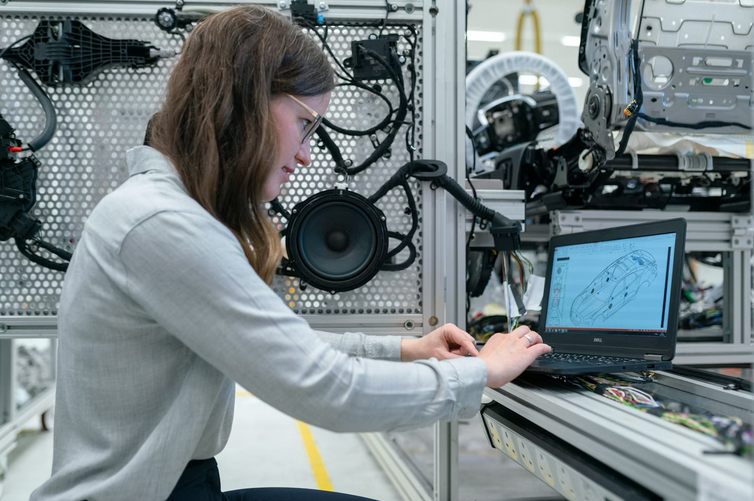
The Future of Work: How Technology is Shaping Careers
The future of work is undergoing a profound transformation driven by technological advancements that are reshaping industries, job roles, and career pathways. From automation and artificial intelligence to remote work and digital collaboration tools, technology is influencing how we work, where we work, and the skills needed to thrive in the evolving workforce. Technology’s Impact on Careers The Evolving Skills Landscape The future of work is characterized by a demand for new skills and competencies that align with technological trends and industry shifts: Embracing Lifelong Learning Continuous learning and professional development are integral to navigating the future of work: The Future of Work: Opportunities and Challenges The future of work presents opportunities for innovation, entrepreneurship, and collaboration, while also posing challenges related to job displacement, skills gaps, and workforce diversity: Conclusion The future of work is shaped by technological innovation, digital transformation, and evolving workforce dynamics. Embracing technology, developing new skills, and fostering a culture of lifelong learning are essential for navigating the opportunities and challenges of the future workplace. As careers evolve, individuals and organizations alike must adapt, innovate, and collaborate to thrive in an increasingly interconnected and dynamic global economy.

The Future of Health Tech Innovations: Trends and Developments
Health tech innovations are at the forefront of transforming healthcare delivery, improving patient outcomes, and enhancing the overall quality of healthcare services. As technology continues to advance rapidly, the future of health tech is marked by key trends and developments that are shaping the healthcare landscape and driving innovation across various domains. The future of health tech innovations encompasses a wide range of developments and trends that are reshaping healthcare delivery, patient care, and healthcare systems: The adoption of health tech innovations presents challenges and considerations that require strategic planning, collaboration, and ethical considerations: In conclusion, the future of health tech innovations is characterized by transformative trends, technological advancements, and collaborative efforts that drive healthcare innovation, improve patient outcomes, and enhance healthcare accessibility and affordability. Embracing digital health solutions, AI-driven technologies, and personalized medicine approaches will shape a more connected, efficient, and patient-centric healthcare ecosystem in the years to come.

Big Data Analytics: Unlocking the Power of Data
Big data analytics has emerged as a game-changer in the realm of data-driven decision-making, enabling organizations to extract valuable insights from vast amounts of structured and unstructured data. This transformative technology not only helps businesses understand their customers better but also enhances operational efficiency, drives innovation, and unlocks new opportunities for growth. Understanding Big Data Analytics Big data analytics refers to the process of analyzing large and complex datasets to uncover patterns, trends, correlations, and other valuable insights. This process involves collecting, storing, processing, and analyzing data from various sources, including social media, sensors, transaction records, and more. The goal is to extract actionable intelligence that can inform strategic decisions and drive business outcomes. One of the key components of big data analytics is advanced analytics techniques such as machine learning, artificial intelligence, and predictive modeling. These techniques enable organizations to make sense of massive volumes of data quickly and accurately, identifying hidden patterns and relationships that would be impossible to detect using traditional methods. The Benefits of Big Data Analytics The adoption of big data analytics offers numerous benefits to organizations across industries, revolutionizing how they operate and compete in today’s data-driven economy. Applications of Big Data Analytics The applications of big data analytics are vast and diverse, spanning multiple industries and use cases. Here are some examples of how organizations leverage big data analytics to drive value: The Future of Big Data Analytics As technology continues to evolve, the future of big data analytics holds even more promise and potential. Advancements in artificial intelligence, machine learning, and cloud computing will further enhance the capabilities of big data analytics, enabling real-time insights, autonomous decision-making, and predictive modeling at scale. Moreover, the proliferation of Internet of Things (IoT) devices will generate unprecedented volumes of data, creating new opportunities for organizations to leverage big data analytics for IoT analytics, smart cities, and connected ecosystems. In conclusion, big data analytics is a transformative technology that unlocks the power of data, enabling organizations to make informed decisions, drive innovation, and create value across industries. By harnessing the insights hidden within large datasets, businesses can gain a competitive edge, improve customer experiences, and unlock new opportunities for growth in the digital age.

Exploring the World of Digital Health and Telemedicine
Digital health and telemedicine have emerged as transformative forces in the healthcare industry, revolutionizing how medical services are delivered and accessed globally. These technologies leverage digital platforms, AI algorithms, and telecommunications to provide remote healthcare services, improve patient outcomes, and enhance overall efficiency in healthcare delivery. One of the primary facets of digital health is telemedicine, which refers to the provision of healthcare services remotely via telecommunications technology. Telemedicine encompasses a broad range of services, including virtual consultations, remote monitoring of patients’ health metrics, and telepsychiatry. This approach eliminates geographical barriers, allowing patients to access medical expertise and specialist care regardless of their location. Particularly in rural or underserved areas, telemedicine bridges gaps in healthcare access, ensuring patients receive timely and quality care without the need for extensive travel. Furthermore, digital health technologies facilitate remote patient monitoring (RPM), enabling healthcare providers to track patients’ vital signs, symptoms, and medication adherence outside of traditional clinical settings. IoT devices such as wearable sensors and smart home monitoring systems collect real-time health data, which is transmitted to healthcare professionals for continuous assessment and intervention. RPM not only enhances the management of chronic conditions such as diabetes and hypertension but also enables early detection of health issues, reducing hospital readmissions and healthcare costs. Moreover, AI-driven applications in digital health play a pivotal role in diagnostic assistance and personalized treatment recommendations. Machine learning algorithms analyze large datasets of medical records, genomic information, and diagnostic images to identify patterns and trends that human clinicians may overlook. These AI systems can assist in diagnosing diseases, predicting patient outcomes, and recommending tailored treatment plans based on individual patient data. By integrating AI into clinical decision-making processes, healthcare providers can improve diagnostic accuracy, optimize resource allocation, and deliver more precise and effective care to patients. Additionally, digital health platforms enhance patient engagement and empowerment through education and self-management tools. Mobile health (mHealth) applications provide patients with access to educational resources, medication reminders, and lifestyle management programs directly on their smartphones or tablets. These tools empower patients to take an active role in managing their health, promoting adherence to treatment plans and fostering healthier behaviors. Furthermore, patient portals and secure messaging systems facilitate communication between patients and healthcare providers, enabling timely consultations, sharing of medical records, and clarification of treatment plans. Despite the numerous benefits of digital health and telemedicine, their widespread adoption faces challenges and considerations. One significant concern is ensuring the security and privacy of patient data transmitted and stored within digital health systems. Healthcare organizations must implement robust cybersecurity measures and adhere to regulatory standards, such as HIPAA in the United States, to protect sensitive medical information from unauthorized access or breaches. Moreover, addressing disparities in digital health access and literacy is crucial to ensuring equitable healthcare delivery. Not all patients have equal access to internet connectivity, digital devices, or the necessary skills to navigate digital health platforms effectively. Healthcare providers and policymakers must work collaboratively to bridge these gaps through initiatives that promote digital literacy, provide technological support, and expand broadband infrastructure in underserved communities. In conclusion, digital health and telemedicine represent a transformative shift in healthcare delivery, leveraging technology to enhance access, efficiency, and patient outcomes. From teleconsultations and remote patient monitoring to AI-assisted diagnostics and patient engagement tools, these innovations empower healthcare providers to deliver more personalized and accessible care to patients worldwide. While challenges such as data security and digital equity remain, the continued advancement and integration of digital health technologies hold immense promise for improving healthcare accessibility, quality, and patient satisfaction in the years to come.

The Impact of Fintech on the Financial Industry
Fintech, short for financial technology, has emerged as a disruptive force in the financial industry, revolutionizing how businesses and consumers access, manage, and invest their finances. From digital payments and peer-to-peer lending to robo-advisors and blockchain technology, fintech innovations are reshaping traditional banking and financial services, leading to increased efficiency, accessibility, and transparency. Transformation of Financial Services Disruptive Technologies in Finance The adoption of disruptive technologies has paved the way for innovative financial products and services: Impact on Financial Institutions Fintech innovations have had a profound impact on traditional financial institutions and incumbent players: Regulatory Challenges and Opportunities The rapid growth of fintech has raised regulatory challenges and opportunities for policymakers and regulators: Future Trends in Fintech The future of fintech is driven by emerging trends and innovations that will continue to reshape the financial industry: Conclusion Fintech is reshaping the financial industry by leveraging technology, data-driven insights, and customer-centricity to deliver innovative financial products and services. From digital payments and alternative lending to blockchain technology and robo-advisors, fintech innovations are driving financial inclusion, improving customer experiences, and transforming traditional banking models. As the fintech ecosystem continues to evolve, collaboration, regulatory oversight, and responsible innovation will be key factors in shaping a sustainable and inclusive future for finance.

The Future of Renewable Energy: Technological Innovations
The future of renewable energy holds tremendous promise, driven by technological innovations that are revolutionizing how we harness and utilize clean energy sources. As the world transitions towards a more sustainable energy landscape, advancements in renewable energy technologies are shaping the path towards a cleaner, greener, and more resilient energy infrastructure. Technological Innovations in Renewable Energy The Role of Technological Innovations in the Future of Renewable Energy Challenges and Opportunities in the Future of Renewable Energy Conclusion The future of renewable energy is shaped by technological innovations that are transforming the energy landscape and driving sustainability goals worldwide. From solar power advancements to energy storage solutions and grid integration technologies, the pace of innovation in renewable energy is accelerating. Overcoming challenges related to intermittency, grid stability, and sector integration requires collaborative efforts from industry stakeholders, policymakers, and research institutions. As technological innovations continue to evolve, the future of renewable energy holds immense potential for scalability, cost-effectiveness, and environmental impact. The transition towards a renewable energy future is not only a necessity for mitigating climate change but also a strategic opportunity for economic growth, job creation, and energy independence. By investing in innovative technologies, fostering collaboration, and adopting supportive policies, we can unlock the full potential of renewable energy and build a sustainable energy future for generations to come.